
The Dharavi Slum is a strange place. Some parts of it are made up of quite nice, if small, homes. Some parts do look a little squalid. Within the area itself, a few flats have been built, for the more well off ‘slum’ dwellers. There are jewellery shops as well as street hawkers. There are leather goods destined for Gucci as well as goat skins, drying in the sun.
We weren’t on an official tour this time, although they are available. We came with Brijesh and Samerr from the Pehchan charity, who both had a good enough knowledge of the labyrinthine streets that sat between the two main railway lines of Mumbai. We’d caught it on a rare holiday, as it was New Year’s Day, so although it was busy enough for us, it wasn’t quite the usual intense hive of activity.
Dharavi was an area that began to develop when the British kicked the factories and Indian residents out of the southern tip of Mumbai. The leatherworkers and the Gujarati potters were some of the first main groups to take up residence in that old swamp land. One of the potters we spoke to, said his family had come from Gujarat well over a hundred years ago, and lived in the same place all that time, handing down the art of the clay from generation to generation. Incoming migrants to the developing city also coalesced in this area, and over time it grew into a rabbit warren of a community.

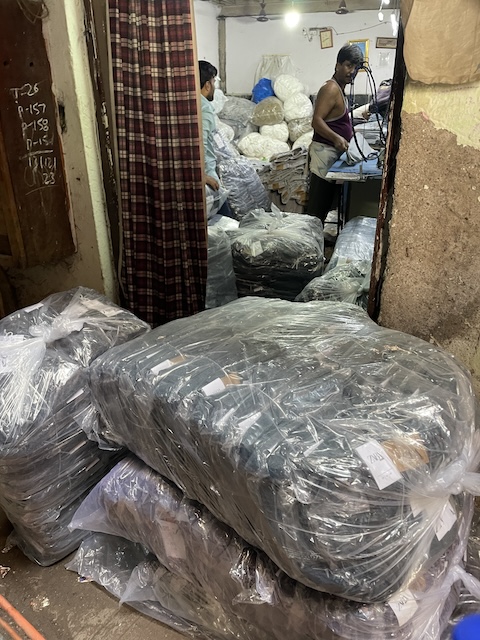
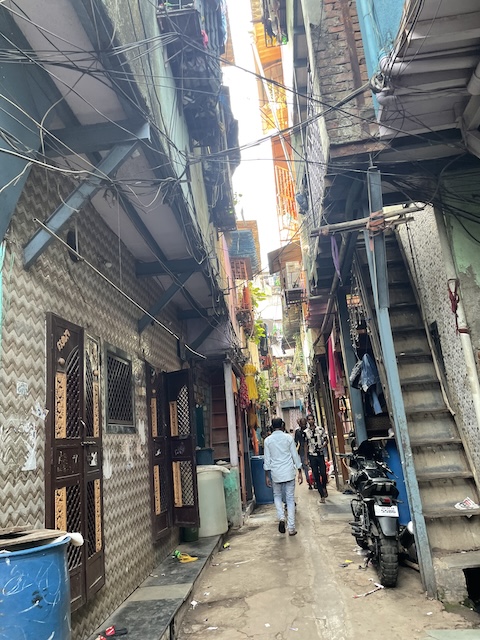


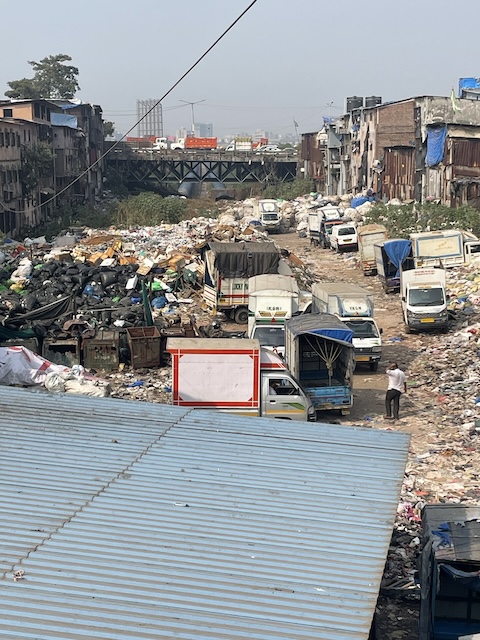
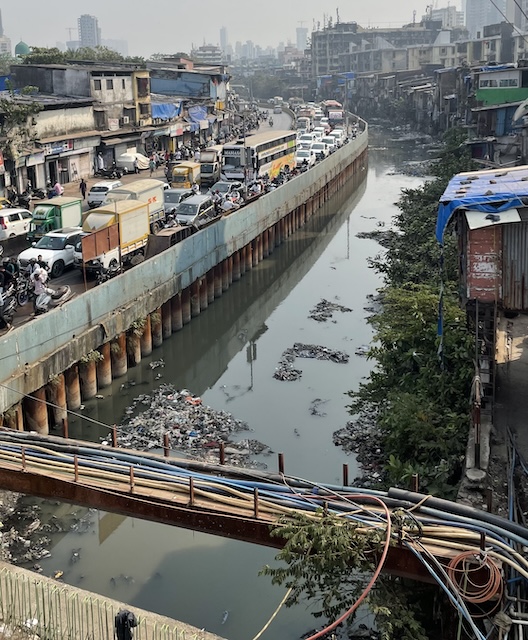
Today, the whole district sits within prime real estate, and there have been several plans over the years to develop it either with the dwellers still there, or to relocate them. So far, none of the big plans have come to pass as the group have developed quite a strong collective voice to make sure their lives aren’t completely bulldozed over. So, over a million people still live and work in just under two and a half square kilometres of land space, and the estimated turnover for the area is apparently a billion pounds a year.
For a place this crowded, it is surprising that that discord and fights don’t break out. It feels very safe to walk about, with old men chatting on the doorsteps, children playing and a few industrious people still working during this holiday. There are schools here, and temples and mosques. You get the feeling that there are hidden rules in the apparent chaos, that have been built up over the years and kept the peace generally.
It is an interesting place to visit. Brijesh pointed out some of the backdrops for the film ‘Slumdog Millionaire’ when Dharavi really came to international attention. We could see how this area would feel more secure to people like Madhu the homeless basket weaver that we met in the first week. Having a little space to call your own and having the surety of it remaining there for you every day must be heaven when you’ve never had that sense of permanence. At least until the building contractors get in.
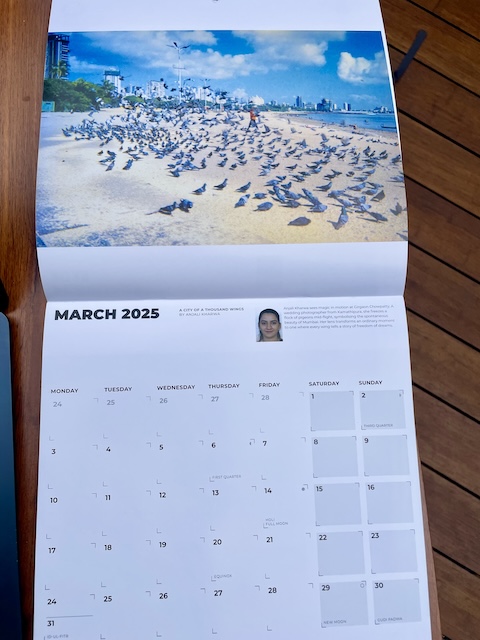
On a slightly related note, after a first successful year, Pehchan has produced another wall calendar. It’s an awareness-raising project as well as a fund raiser. With the help of Fujifilm who supplied the cameras, they asked the homeless people they work with to go and take snaps of Mumbai in the way they see it. We’re bringing back some copies so if anybody wants to buy one, please message me. They’re only a fiver plus postage if you’re not local to me.

 theleadlesspencil